French Rolling Pin vs Straight Rolling Pin: Which One Is Right for You?
Choosing the right rolling pin can completely change how your dough behaves — and how confident you feel in the kitchen.
Two of the most popular styles are the French (tapered) rolling pin and the straight (dowel) rolling pin. While they may look similar at first glance, they perform very differently.
Let’s break down the real differences so you can decide which one fits your baking style best.

What Is a French Rolling Pin?
A French rolling pin is a single solid piece of hardwood that gradually tapers toward both ends. There are no handles — just clean, balanced control.
Because of its tapered shape, it allows:
- Greater pressure control
- Easier rotation while rolling
- Better shaping for pie crust edges
- More finesse for delicate dough
Many professional bakers prefer French pins because they allow your hands to feel the dough directly.
👉 View our handmade French rolling pins here:

What Is a Straight (Dowel) Rolling Pin?
A straight rolling pin — often called a dowel rolling pin — has a uniform diameter from end to end.
It provides:
- Even pressure distribution
- Consistent thickness across dough
- Familiar feel for most home bakers
- Slightly more weight in the center
Straight pins are excellent for cookie dough, biscuits, and bread dough where even thickness is key.
👉 See our straight rolling pins here:

Control and Pressure Differences
This is where the real distinction appears.
French Rolling Pin
- Allows you to shift pressure outward
- Easier to roll circular pie crusts
- More responsive for thin pastry work
Straight Rolling Pin
- Applies even pressure across the entire dough surface
- Excellent for flat, rectangular dough sheets
- Slightly more stable for beginners
If you enjoy shaping dough by feel, the French style shines.
If you prefer uniform results with minimal adjustment, the straight style excels.

Best Rolling Pin for Pie Dough
For pie crust, most experienced bakers lean toward a French rolling pin.
The tapered ends make it easier to:
- Rotate dough while rolling
- Feather the edges
- Avoid over-flattening the center
The lighter feel also reduces sticking and tearing.

Best Rolling Pin for Cookies
For cookies, both styles work — but the straight rolling pin offers a small advantage.
Because it maintains equal thickness across its length, it helps produce evenly baked cookies without thin spots.
If you frequently use thickness guides or dough strips, the straight pin pairs well.

Weight and Wood Considerations
Both French and straight rolling pins can be made in different hardwoods such as maple and walnut.
- Maple tends to feel slightly heavier and harder.
- Walnut is often slightly lighter with a rich, heirloom look.
If you're unsure which wood is best, you may also enjoy reading:
👉 Maple vs Walnut Rolling Pin: Which Wood Is Best for Baking?

Which Rolling Pin Should You Choose?
Choose a French rolling pin if:
- You love pie baking
- You want more control
- You enjoy a lighter, responsive feel
- You prefer a traditional European style
Choose a Straight rolling pin if:
- You bake a lot of cookies
- You want consistent thickness
- You prefer familiar tools
- You like slightly more weight
In truth, both styles are excellent — and many serious bakers eventually own one of each.
Quick chooser bullets:
- Want control? → French
- Want consistency? → Dowel
- New baker? → Dowel
- Experienced? → French

Handmade in Kentucky
At Clines Crafted Woodworking, every rolling pin is finished by hand in Kentucky from carefully selected hardwoods.
No mass production.
No hollow cores.
Just solid wood, balanced by hand, and built to last generations.
Explore our full collection here:
https://www.clinescraftedwoodworking.com/collections/rolling-pins
Blog posts CCW Blog: Published by our team of Craftsmen in Kentucky.
View all


Collections
-
Handmade Kitchen Accessories, tools, and bakeware.
At Clines Crafted Woodworking, we pride ourselves on creating handmade wooden kitchen...
-
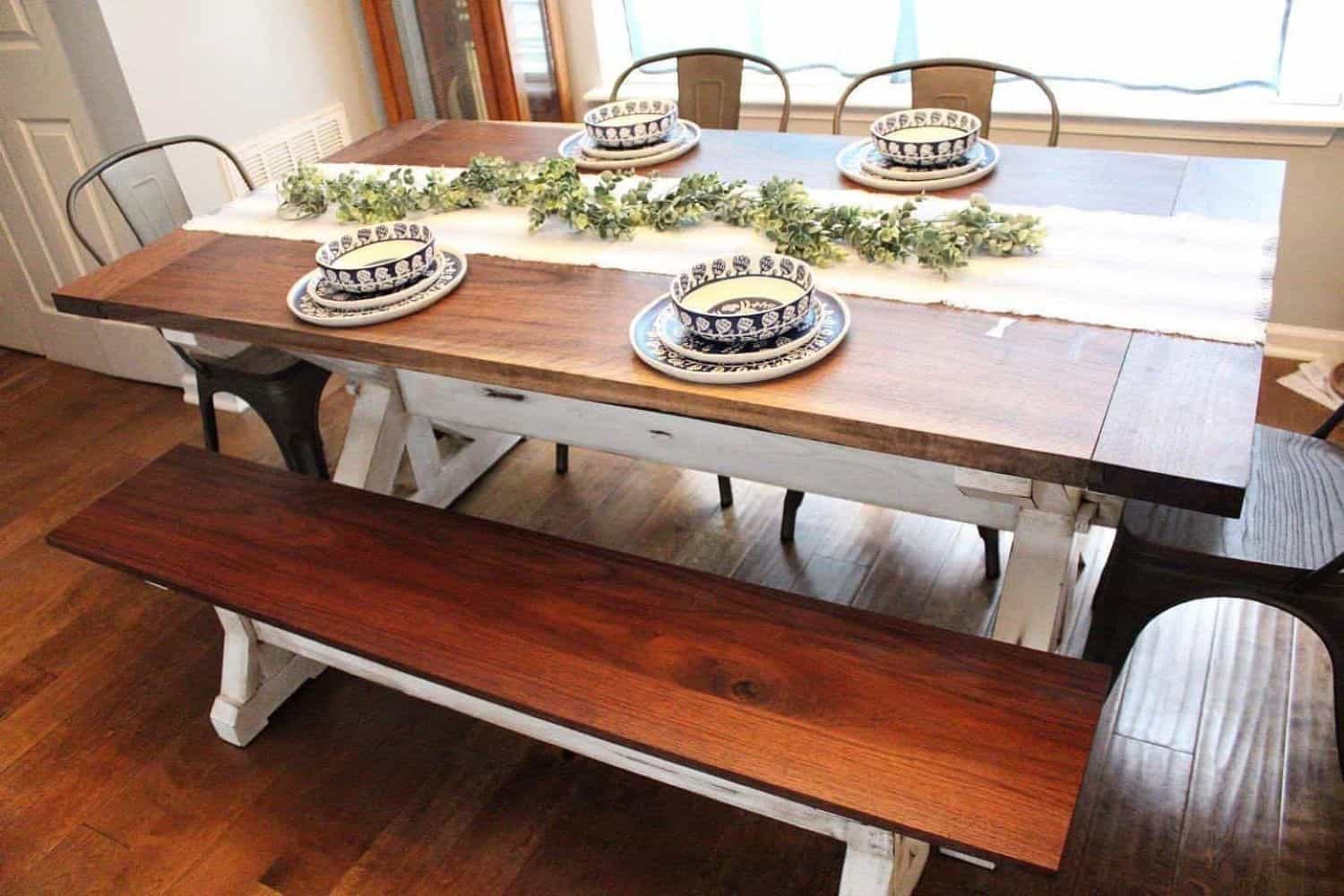
Handmade Tables: Dining Tables, Coffee Tables, and more
Beautiful handmade Accent, Coffee, and Dining tables made in Kentucky. Made with...
-
Baby and Kids handmade Collection
With our baby and kids furniture, you'll find the perfect solution to...
